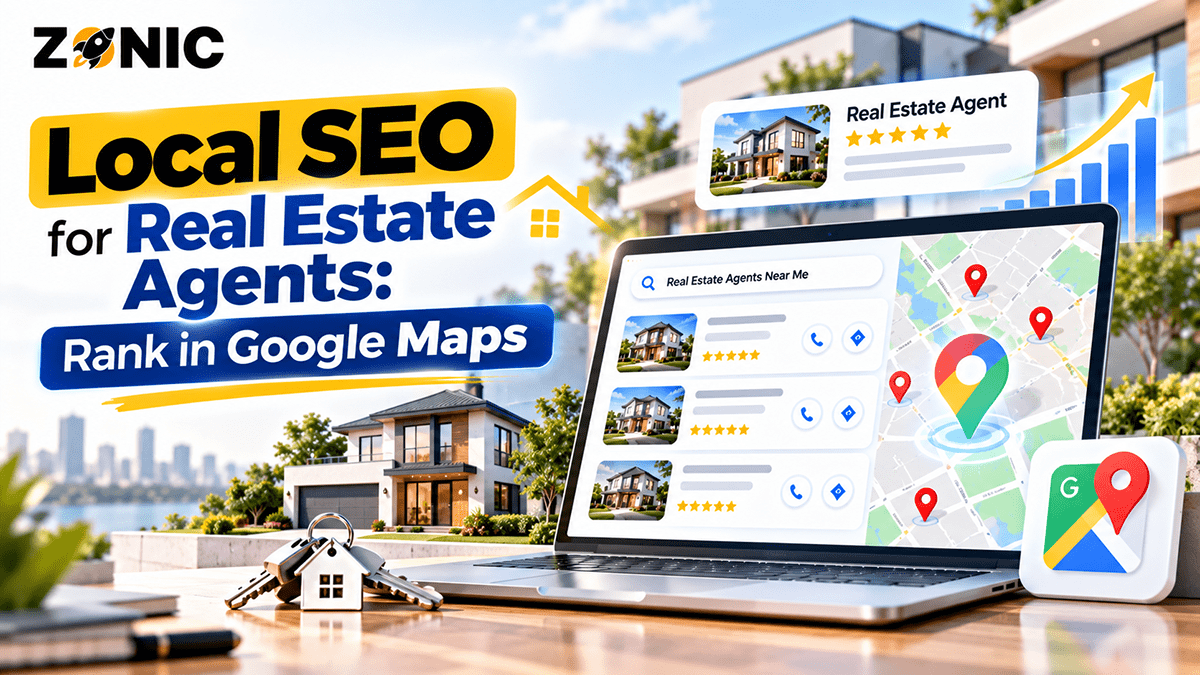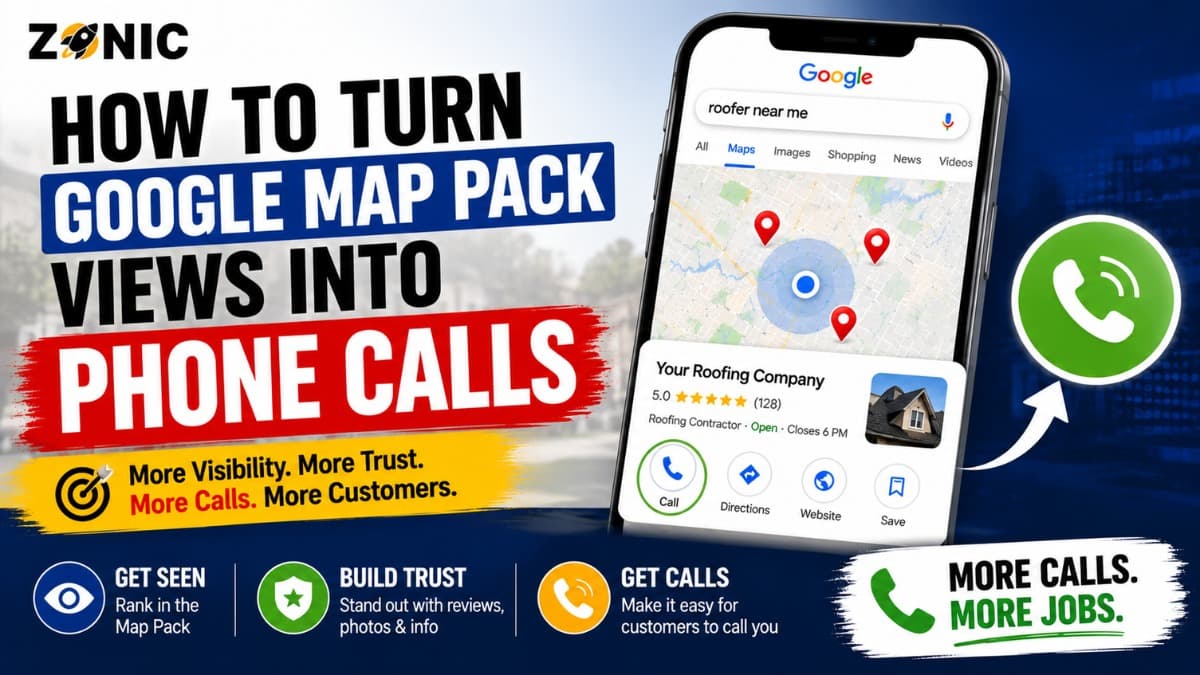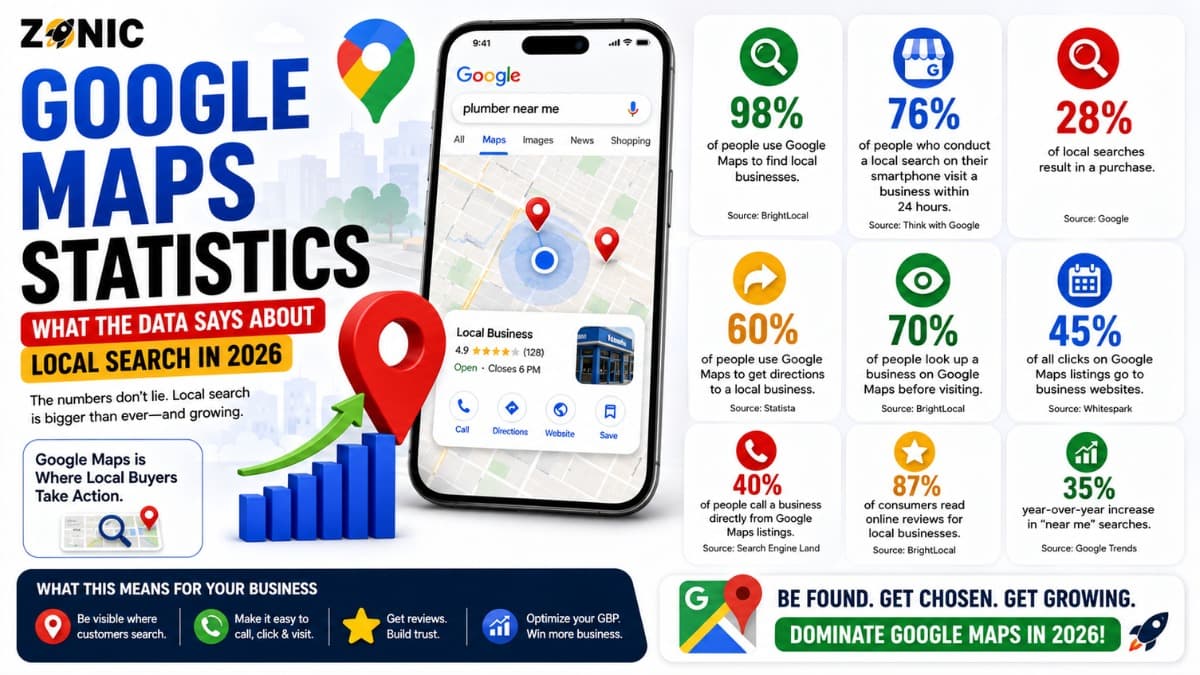
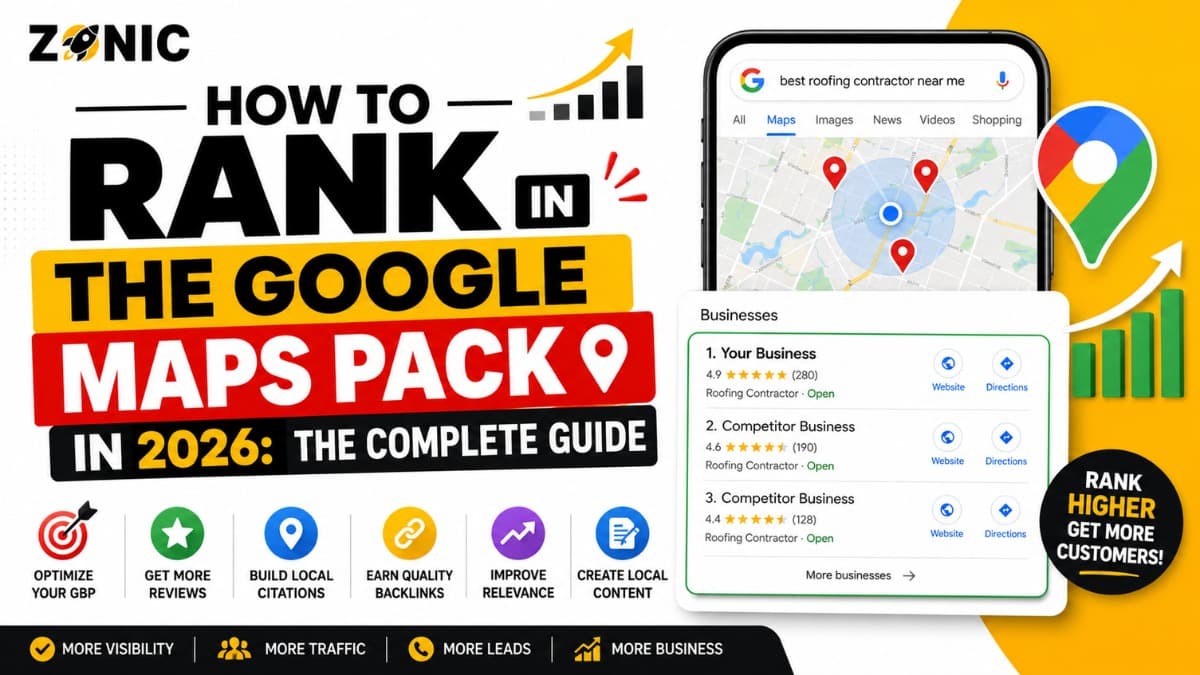
Ranking in the Google Maps Pack can change how many calls, website visits, direction requests, and local leads a business receives. When someone searches for a nearby service, they often look at the map results before scrolling through regular organic listings.
That makes the Google Maps Pack one of the most valuable areas in local search.
For business owners in competitive markets, ranking there is not about one trick. It is not only about adding keywords to a business name. It is not only about posting every day. It is not only about reviews. Google looks at a mix of signals that help decide which businesses are most relevant, nearby, and trusted for a local search.
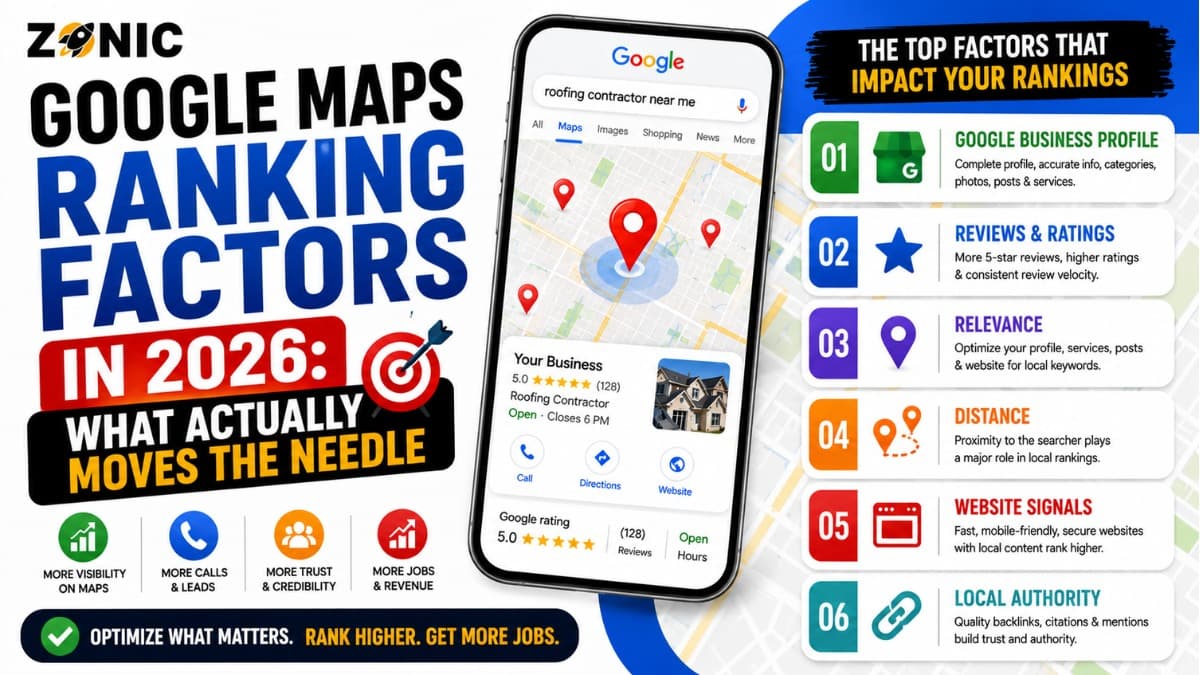
Google says local results are mainly based on relevance, distance, and prominence. Relevance is how well your profile matches the search. Distance is how close your business is to the searcher or searched location. Prominence is how well known and trusted your business appears across Google and the wider web.
So if you want to know how to rank in Google Maps Pack results in 2026, the answer starts with building a complete, accurate, active, and trusted local presence.
This complete guide explains what matters for local pack ranking in 2026, what to optimize first, and how to build a stronger Google Business Profile without risky shortcuts.
What the Google Maps Pack Means in 2026
The Google Maps Pack is the local result area that appears when Google believes a search has local intent. It usually shows a map with selected business listings near the top of search results.
Why the Maps Pack Gets So Much Attention
The Maps Pack appears when people are ready to take action. They may search for a roofer near them, a dentist in their city, a lawyer nearby, or an emergency plumber open now.
These searches often happen close to a buying decision. The user wants a real business, not just information.
That is why ranking in the Maps Pack can bring high-value leads. A strong profile can show reviews, phone number, hours, services, photos, website, and directions before the customer even visits your site.
Why Ranking Is Harder Than Before
Local SEO in 2026 is more competitive. More businesses understand Google Business Profile. More companies ask for reviews. More competitors build city pages, service pages, and citation profiles.
At the same time, Google is stricter about spam. Keyword-stuffed names, fake addresses, duplicate profiles, and virtual office listings can create suspension risk.
A strong strategy should improve visibility without putting the profile at risk.
The Three Core Factors Behind Local Pack Ranking in 2026
Google’s local ranking system is built around relevance, distance, and prominence. You cannot control every part of these signals, but you can improve many of them.
Relevance Means Your Profile Matches the Search
Relevance is about how well your business matches what the user searched for. If someone searches for “roof repair near me,” Google needs to understand that your business offers roof repair.
Your primary category, secondary categories, services, business description, website content, photos, reviews, and local pages all help Google understand relevance.
A vague profile is harder to rank. A clear profile gives Google more confidence.
Distance Means Location Still Matters
Distance is based on how close your business is to the searcher or searched location. You cannot fully control this unless your real business location changes.
A business close to the searcher often has an advantage, but distance is not the only factor. A more prominent and relevant business can sometimes rank beyond the closest competitor.
That is why strong optimization still matters.
Prominence Means Google Trusts Your Business
Prominence is about how well known and trusted the business appears. Google says prominence can be based on information across the web, including links, articles, and directories. Google also says review count and review score factor into local search ranking.
This means your Google Maps ranking is not only about the profile. Your website, reviews, citations, backlinks, brand mentions, and local reputation all matter.
Build a Complete Google Business Profile First
A complete profile gives Google and customers more information. Missing details can make the business look weaker than competitors with fuller profiles.
Choose the Right Primary Category
Your primary category is one of the most important relevance signals on your profile. It should describe what your business mainly does.
Do not choose a category only because it has high search volume. Choose the category that best matches your real business.
A law firm should not use a category that belongs to a different legal niche. A roofing company should not choose a general contractor category if roofing is the main service and a roofing category fits better.
Add Useful Secondary Categories
Secondary categories can help Google understand the rest of your services. Use them carefully.
Do not add unrelated categories just to appear for more searches. Extra categories should still match real services your business provides.
For example, a home services company may have a primary category and a few related secondary categories. The key is accuracy.
Fill Out Services and Business Details
Add your real services in the profile. Keep them clear and specific.
If you offer roof repair, roof replacement, emergency roof repair, flat roofing, gutter services, or inspections, each service should be listed naturally.
Customers should understand what you do without needing to guess.
Optimize Your Business Name Without Risk
Your business name should match your real-world brand. Adding keywords to the name may look tempting, but it can create suspension problems.
Use Your Real Business Name
The safest business name is the real one customers know and your documents support.
Do not add city names, service keywords, phone numbers, slogans, or promotional phrases unless they are part of your real legal or customer-facing name.
A clean business name is easier to defend and safer for long-term growth.
Avoid Keyword Stuffing
Keyword stuffing may help some profiles temporarily, but it is risky. Competitors can report it. Google can review it. A suspended profile can lose visibility quickly.
Ranking in the Google Maps Pack should not depend on a name that violates guidelines.
Build relevance through categories, services, content, reviews, and website signals instead.
Strengthen Review Signals the Right Way
Reviews matter because they help customers trust the business and help Google understand prominence. Review quality, quantity, recency, and wording all play a role.
Ask Real Customers for Reviews
Create a review process after completed jobs, purchases, appointments, or service calls. Ask satisfied customers to share honest feedback.
Do not offer rewards in exchange for reviews. Do not ask employees, friends, or fake accounts to leave reviews. Fake review strategies can damage trust and create policy risk.
A steady flow of real reviews is stronger than a sudden burst of suspicious reviews.
Respond to Reviews Naturally
Respond to reviews with real, helpful replies. Thank customers by name when appropriate. Mention the service naturally when it makes sense.
For example, a roofer could reply: “Thank you for trusting our team with your roof repair. We’re glad we could stop the leak before it caused more interior damage.”
Do not copy the same response every time. Natural replies show activity and care.
Use Review Content to Support Relevance
Customers often mention services and locations in reviews. That can help reinforce what your business does.
You should not script reviews for customers, but you can ask them to describe their real experience. A review that says “roof leak repair in Queens” is more useful than “great company” because it provides context.
Improve Your Website for Maps Pack Ranking
Your website supports your Google Business Profile. A weak website can hold back a strong profile, especially in competitive markets.
Match Website Details With Your GBP
Your website should show the same business name, address or service area, phone number, services, and branding as your Google Business Profile.
If Google sees one name on your profile and another on your website, trust can drop.
Keep your NAP details consistent across your website, GBP, and important directories.
Build Strong Service Pages
Each important service should have a useful page. A roofer should not rely on one generic “services” page if it wants to rank for roof repair, roof replacement, flat roofing, commercial roofing, and emergency repair.
Service pages should explain the problem, the solution, the process, service area, and reasons to choose the company.
Google needs clear content to understand relevance.
Build Local Landing Pages Carefully
Location pages can help when they are real and useful. A page for a city or neighborhood should include local context, service details, customer concerns, and unique information.
Do not create thin pages where only the city name changes. That kind of content feels weak to users and search engines.
A good local page should help a real customer in that area.
Local Content Helps Google Understand Your Service Area
Content gives Google more evidence about what your business does and where it works. Good local content supports relevance and trust.
Write About Real Customer Problems
Blog content should answer the questions your customers actually ask.
A contractor might write about roof leaks after storms, inspection timelines, replacement costs, flat roof problems, or emergency repairs. A dentist might write about emergency dental visits, implants, insurance questions, or family dentistry.
The best topics connect directly to your services and locations.
Add City and Neighborhood Context
Local content should not be generic. Mention real conditions, property types, weather patterns, neighborhood issues, regulations, or customer needs when relevant.
For example, a NYC roofing company can discuss brownstones, flat roofs, co-ops, parapets, roof drains, winter weather, and access constraints.
That kind of detail helps content feel real.
Build Accurate Citations Across the Web
Citations are mentions of your business name, address, phone number, and website on directories, local platforms, and industry websites. They support trust when they are consistent.
Keep NAP Information Consistent
NAP means name, address, and phone number. It should match across your Google Business Profile, website, social profiles, directories, and major citation sources.
Inconsistent citations can confuse Google.
If your old phone number appears on many directories, clean it up. If your old address is still listed after a move, update it.
Focus on Quality Directories
Not every directory matters equally. Focus on trusted platforms, industry directories, local chambers, professional associations, and major business listing sites.
A few strong, accurate citations are better than dozens of low-quality listings with messy information.
Citations should support your real business, not create duplicate confusion.
Earn Local Links and Brand Mentions
Prominence is not built only inside Google Business Profile. Google also looks at wider web signals such as links, articles, and directories.
Local Links Build Trust
A link from a local chamber of commerce, sponsor page, community event, local news article, supplier, partner, or trade association can support local trust.
These links show that your business exists beyond its own website.
Do not buy spammy links. Low-quality link schemes can create long-term SEO problems.
Brand Mentions Support Recognition
Even when a mention does not include a link, it can help build brand presence. Local articles, interviews, awards, sponsorships, and business features can all support prominence.
The goal is to become a business that Google and customers see across trusted places.
Use Photos and Updates to Keep the Profile Active
Photos and updates help customers understand your business before contacting you. They also show that the profile is active and current.
Upload Real Photos
Use real photos of your team, storefront, work vehicles, products, services, completed jobs, office, equipment, or customer-facing areas.
Avoid generic stock images. Real photos build more trust.
For service businesses, job-site photos and branded vehicle photos can be especially useful.
Post Helpful Updates
Google Business Profile posts can highlight services, seasonal offers, events, updates, or helpful customer information.
Posts alone will not magically rank a business, but they can make the profile more useful and active.
Use posts to support real business activity, not to spam keywords.
Track Your Google Maps Pack Rankings Correctly
Local rankings change based on where the searcher is located. A business may rank well near its office but not several miles away.
Use Grid Tracking
Grid tracking tools can show how your rankings look across different points in a city or service area.
This helps you see your real visibility pattern instead of relying on one search from one device.
A roofing company may rank in the top three near its office but fall outside the pack across town. That is normal and useful to know.
Track Calls and Actions
Ranking is important, but leads matter more. Track calls, website clicks, direction requests, form fills, and booked jobs.
A profile that ranks for the right searches and brings real customers is more valuable than one that ranks for vanity keywords.
Common Mistakes That Hurt Google Maps Pack Rankings
Many businesses hurt their own local visibility because they chase shortcuts or ignore basic profile health. A clean foundation is better than risky tactics.
Avoid these mistakes:
Adding keywords to the business name
Using a fake address or weak virtual office
Creating duplicate Google Business Profiles
Choosing unrelated categories
Ignoring customer reviews
Using thin city pages
Letting old citations show wrong information
Uploading only stock photos
Making frequent major profile edits
Ignoring website quality
This is the first bullet section. If your profile has any of these issues, clean them before chasing advanced ranking tactics.
A Practical Google Maps Pack Ranking Plan for 2026
Ranking in the Maps Pack takes consistent work. The strongest approach combines Google Business Profile optimization, website SEO, reviews, citations, and local trust.
Follow this practical plan:
Clean up your business name, address, phone, website, and category
Complete every important part of the Google Business Profile
Add real services and useful business details
Build strong service pages on your website
Create useful local content for your target areas
Ask real customers for honest reviews
Respond to reviews with natural replies
Clean up citations and old business information
Earn local links and brand mentions
Track rankings, calls, clicks, and conversions
This is the second and final bullet section. Local SEO works best when every signal supports the same real business.
How Zonic Helps Businesses Rank in the Google Maps Pack
Zonic helps businesses improve Google Maps visibility with cleaner profiles, stronger local SEO, and safer ranking strategies.
Google Business Profile Optimization
Zonic reviews your profile name, category, services, description, photos, service area, website link, business details, and profile health.
The goal is to improve relevance without creating suspension risk.
Local SEO and Website Support
Zonic helps align your website with your Google Business Profile. That includes service pages, location content, NAP consistency, and content planning.
A strong profile with a weak website is harder to grow in competitive markets.
Review and Trust Building
Zonic helps businesses build better review systems, respond naturally, clean up citation issues, and improve local trust signals.
The goal is not only to rank higher. The goal is to rank safely and turn visibility into real leads.
Conclusion
Ranking in the Google Maps Pack in 2026 requires more than filling out a profile. Google looks at relevance, distance, and prominence. You cannot control every part of distance, but you can improve relevance and prominence with the right work.
Start with a complete and accurate Google Business Profile. Use the right category. Add real services. Keep your business name clean. Build consistent reviews. Improve your website. Create useful local content. Clean up citations. Earn trusted links and mentions. Track rankings by location and measure real leads.
Do not rely on shortcuts like keyword stuffing, fake addresses, duplicate listings, or spammy reviews. Those tactics can create suspension risk and damage long-term growth.
If you want help with how to rank in Google Maps Pack results safely, Zonic can help build a stronger local SEO foundation for 2026.
Call Zonic Media today at (302) 726-9736 or visit us at 8 The Green, STE B Dover, Kent, DE 19901 United States for Google Maps Pack ranking and local SEO support across the USA and NYC.
Frequently Asked Questions
What is the Google Maps Pack?
The Google Maps Pack is the local search result section that shows a map and selected business listings for searches with local intent. It often appears near the top of Google Search results.
How do I rank in the Google Maps Pack in 2026?
To rank in the Google Maps Pack, optimize your Google Business Profile, choose accurate categories, earn real reviews, build strong service pages, keep NAP details consistent, add local content, and improve prominence across trusted websites.
Do reviews help with Google Maps Pack ranking?
Yes. Google says review count and review score can affect local ranking. Real, recent, and detailed reviews can also help customers trust your business before calling.
What are the main Google Maps ranking factors?
Google says local ranking is mainly based on relevance, distance, and prominence. Relevance is how well your business matches the search, distance is how close you are to the searcher, and prominence is how trusted and known your business appears.
Should I add keywords to my Google Business Profile name?
No. Your profile name should match your real business name. Adding extra keywords, city names, or services can create suspension risk and may violate Google’s guidelines.